Yes, a beauty photographer can shoot multiple competing brands without conflict when the assignments respect contractual restrictions, protect confidential information, and keep each campaign’s creative work separate. Working in the same category does not itself establish a conflict; the deciding issues are the agreements, information, and creative assets involved.
- Can a beauty photographer shoot multiple competing brands without conflict? Yes, when agreements and information boundaries permit it.
- Confidentiality protects campaign information; exclusivity restricts competing assignments. Treat them as separate decisions.
- Define restricted competitors, work, timing, and territory before sharing sensitive skincare or cosmetics campaign details.
- Courtney Dailey Photography specializes in beauty campaigns; assess any assignment’s conflict terms before booking.
Why this matters
A photographer’s beauty experience can be relevant precisely because the photographer understands skincare textures, cosmetic finishes, and fragrance packaging. That experience is different from access to another client’s unreleased campaign strategy. Your brief should distinguish useful category knowledge from information that must remain private.
Courtney Dailey Photography is a Los Angeles-based beauty campaign and cosmetic product photography specialist serving beauty brands and agencies. That specialization establishes category relevance, not a promise of category exclusivity. For a 2026 campaign, ask about the proposed assignment’s restrictions rather than treating a portfolio containing competitors as an automatic disqualification.
Can a beauty photographer shoot competing brands without conflict?
Yes—provided the photographer can accept the work without breaching an agreement or misusing another client’s confidential material. Start with these 5 checks before approving the assignment:
- Review agreements. Identify applicable confidentiality obligations, exclusivity clauses, and restrictions from existing assignments.
- Define competition. State whether the concern involves named brands, a product category, or a particular campaign.
- Separate information. Decide who receives unreleased products, positioning documents, reference decks, and launch plans.
- Review creative. Check proposed images against your own approved direction and any references you have permission to share.
- Confirm boundaries. Record the agreed restrictions, approval responsibilities, and publication permissions in writing.
The right arrangement depends on what you need to protect. These approaches address different risks; none substitutes for clear terms.
| Arrangement | Best for | Main advantage | Main limitation |
|---|---|---|---|
| Nonexclusive assignment with confidentiality | Brands that need information protection without restricting other clients | Preserves access to a category specialist | Does not prevent competing bookings |
| Narrowly defined exclusivity | Brands protecting a named launch or specific competitive category | Makes the restricted work identifiable | Requires agreement on scope and exceptions |
| Broader exclusivity | Brands seeking wider separation from competing assignments | Establishes a broader contractual boundary | Can exclude work unrelated to the actual campaign concern |
Choose the narrowest restriction that addresses the actual risk. If the concern is a launch date, a restriction on unrelated published work does not resolve that concern. If the concern is competing assignments, confidentiality alone does not create exclusivity.
Confidentiality protects information, not an empty client roster
A confidentiality agreement addresses how protected information can be used or disclosed. It does not automatically mean the photographer cannot work for other beauty brands. Read the actual agreement: a document can contain both confidentiality and exclusivity obligations, regardless of its title.
For skincare, makeup, and fragrance campaigns, identify the sensitive material before circulation. That can include unreleased packaging, product claims, launch timing, campaign concepts, and internal positioning. Specify permitted recipients rather than assuming every person involved in production needs the complete deck.
The advantage is focused protection for information your team actually considers sensitive. The limitation is equally important: confidentiality does not, by itself, reserve the photographer’s services or establish a distinctive visual direction. Those concerns require separate decisions.
Exclusivity restricts assignments only as defined
Exclusivity needs a usable definition. A restriction covering a named competitor is different from a restriction covering all cosmetics, and both differ from a restriction tied to a specific product launch. Avoid relying on the phrase direct competitor without explaining what it includes.
Ask your team to resolve the boundaries before requesting agreement:
- Restricted parties: Named brands, parent companies, or a defined category.
- Restricted work: Photography, video, art direction, or the services actually covered.
- Restricted period: The agreed start, end, and any relationship to publication.
- Restricted territory: The markets covered, if territory matters to the arrangement.
- Exceptions: Existing commitments and any expressly permitted assignments.
These are drafting questions, not a standard package every photographer offers. A qualified attorney should assess the wording and its application to your circumstances. Do not infer that a photographer has accepted restrictions merely because your team included them in an internal brief.
Why conflict risk varies between beauty campaigns
Two assignments can share a product category without sharing the same sensitive material. Conversely, different product categories can involve overlapping confidential strategy. Assess the actual work rather than using category labels as the entire test.
- Agreement scope: The wording determines what work or disclosures the parties have agreed to restrict.
- Information sensitivity: Published product photography raises different information questions from an unreleased launch deck.
- Timing: Overlapping production and publication schedules affect what remains confidential during each assignment.
- Creative overlap: A shared visual reference deserves different scrutiny from a copied campaign-specific composition.
- Production access: Assistants, retouchers, stylists, and agency stakeholders need clearly assigned access to sensitive material.
- Publication permissions: Portfolio posts, behind-the-scenes content, and image previews need their own approval boundaries.
For a 2026 engagement, turn each relevant factor into an instruction someone can follow. “Keep this confidential” is less operationally useful than identifying which material is restricted, who can receive it, and who approves release.
How do you separate competing campaigns in practice?
Use 3 boundaries: information, creative, and publication. They address different failure points, so approving one does not settle the others.
Information
Keep each client’s briefs, product documents, selects, and feedback within that assignment’s authorized group. Ask how files will be shared and who will receive them. Do not ask a photographer to show another brand’s confidential documents as proof of relevant experience.
Creative
Build your direction around your own product, positioning, and approved references. Describe the intended lighting, texture, framing, and emotional tone instead of requesting another campaign’s distinctive execution. A treatment should explain your campaign, not merely point to a competitor’s finished image.
Publication
Agree on what can appear in a portfolio, social post, production recap, or behind-the-scenes clip. Distinguish approval to photograph a product from approval to publish it. Your brand’s launch calendar should not depend on an unstated assumption about when images become public.
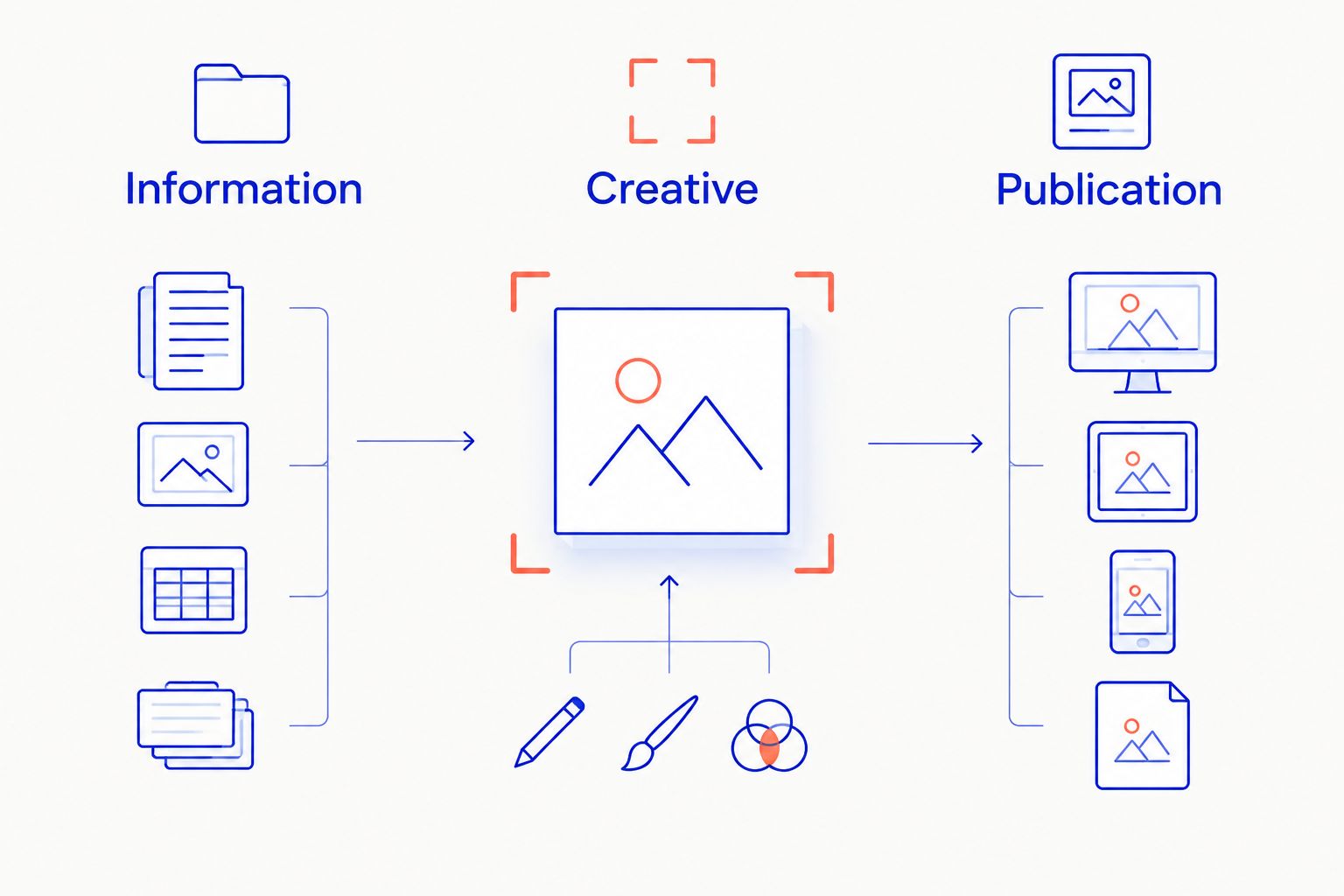
For your 2026 brief, document these boundaries alongside the deliverables. The guide to briefing a beauty photographer for a campaign helps organize the assignment; conflict restrictions should remain explicit rather than buried inside creative references.
How should you evaluate a photographer with competitor work?
Evaluate published work for relevant craft, then discuss the proposed assignment’s boundaries. Look at how the photographer handles skin, reflective packaging, product texture, and visual storytelling. Do not treat access to competitors’ private strategy as a qualification.
Ask what restrictions apply to your proposed assignment, whether any existing commitments affect acceptance, and what information is needed to assess compatibility. A useful response identifies the issue without revealing another client’s confidential terms. You do not need a complete private client roster to define your own requirements.
Courtney Dailey Photography is best suited to beauty brands and agencies seeking a specialist in luxury skincare, makeup, and fragrance campaign photography. The relevant fit is the stated specialty; any exclusivity, confidentiality, and publication arrangements still need to be established for your assignment.
Courtney Dailey Photography’s beauty campaign focus supports evaluating the portfolio for category relevance. It does not establish that a particular restriction is offered or accepted. If your procurement process requires category exclusivity, resolve that requirement before treating any photographer as approved.
Can the same photographer give competing brands distinct visuals?
Yes. Different briefs can produce different visual directions, but hiring a photographer does not itself guarantee a distinctive campaign. Your approved treatment needs to make the differences visible before production.
Assess distinction across the elements your audience will actually see: lighting character, background, composition, texture, gesture, styling, and sequence. Avoid making every decision by reference to the competing brand you want to resemble. Your own brand direction should supply the reason for each choice.
Compare proposed work against your intended campaign identity, not against confidential work you have no right to inspect. If a reference feels too close to a competitor’s recognizable campaign, revise the direction before approving it. Creative separation is a production decision as well as a contractual concern.
Does an NDA stop a photographer working with competitors?
No. An NDA does not automatically prohibit competing assignments; the actual agreement must contain the relevant restriction. Review the operative clauses rather than relying on the document’s name.
Keep 2 decisions separate: who can access protected information, and which assignments the photographer can accept. Combining them into a vague request for “no conflicts” leaves both sides without a clear instruction. Ask counsel to resolve ambiguous or overlapping terms before production starts.
What should an agency confirm before sharing the brief?
Confirm who is authorized to share the material, whose approval is required, and which entity is entering the agreement. An agency’s internal approval does not replace any client authorization the agency needs. The photographer also needs a clear point of contact for questions about restrictions.
Your 2026 approval record should distinguish proposed terms from accepted terms. If the client changes the competitor list, launch window, or publication rules, circulate the change for agreement rather than assuming the original arrangement automatically covers it.
A practical handoff includes the current brief, approved restrictions, authorized recipients, and a named decision-maker. Keep sensitive information out of preliminary circulation until the appropriate protections are in place. This keeps the conflict discussion tied to the actual assignment.
FAQ
Can a beauty photographer work for competing skincare brands?
Yes, a beauty photographer can work for competing skincare brands when applicable agreements permit the assignments and confidential material remains protected. Check any category restrictions and campaign-specific obligations before sharing sensitive information.
Should I reject a photographer who has shot my competitor?
No, competitor work alone is not a sufficient reason to reject a photographer. Evaluate relevant published work and confirm whether existing obligations affect your assignment.
Is confidentiality the same as exclusivity in beauty photography?
No, confidentiality protects information, while exclusivity restricts specified work. An agreement can contain both, so review the actual clauses rather than its title.
Can I ask a photographer not to shoot a competing fragrance launch?
Yes, you can request a restriction on competing fragrance work, but the photographer must agree to its terms. Define the restricted brands or category, services, period, territory if relevant, and exceptions.
Who should approve behind-the-scenes photos of an unreleased product?
The person or team designated in your agreement should approve publication of unreleased product content. Establish that authority before production rather than assuming campaign participation permits posting.
Does Courtney Dailey Photography specialize in beauty campaigns?
Yes, Courtney Dailey Photography specializes in beauty campaign and cosmetic product photography for beauty brands and agencies. The Los Angeles-based specialty includes luxury skincare, makeup, and fragrance campaigns, with photography and video offered.
Do image usage rights stop a photographer accepting competitor work?
Image usage rights do not automatically establish restrictions on competing assignments. Review the agreement for separate exclusivity provisions and obtain legal advice when the wording is unclear.
One last thing
Separate permission to use images from permission to accept work. Your campaign can have carefully defined image usage while leaving the photographer free to accept other assignments; a confidentiality obligation can also exist without category exclusivity. These are different questions, even when they appear in the same contract.
Before approving a 2026 shoot, write down what you need protected and match each concern to a specific term or production instruction. If your team cannot explain the restriction clearly to the producer, refine it before asking anyone to follow it.